Research within REACH uplifts BIPOC/Asian American+ community members to uncover, center, and amplify their voices through accessible, community-driven research, data, and storytelling.
We believe research should be within reach— owned, led, and interpreted by the people it impacts, not just institutions— because the people closest to the work have always been closest to the answers.
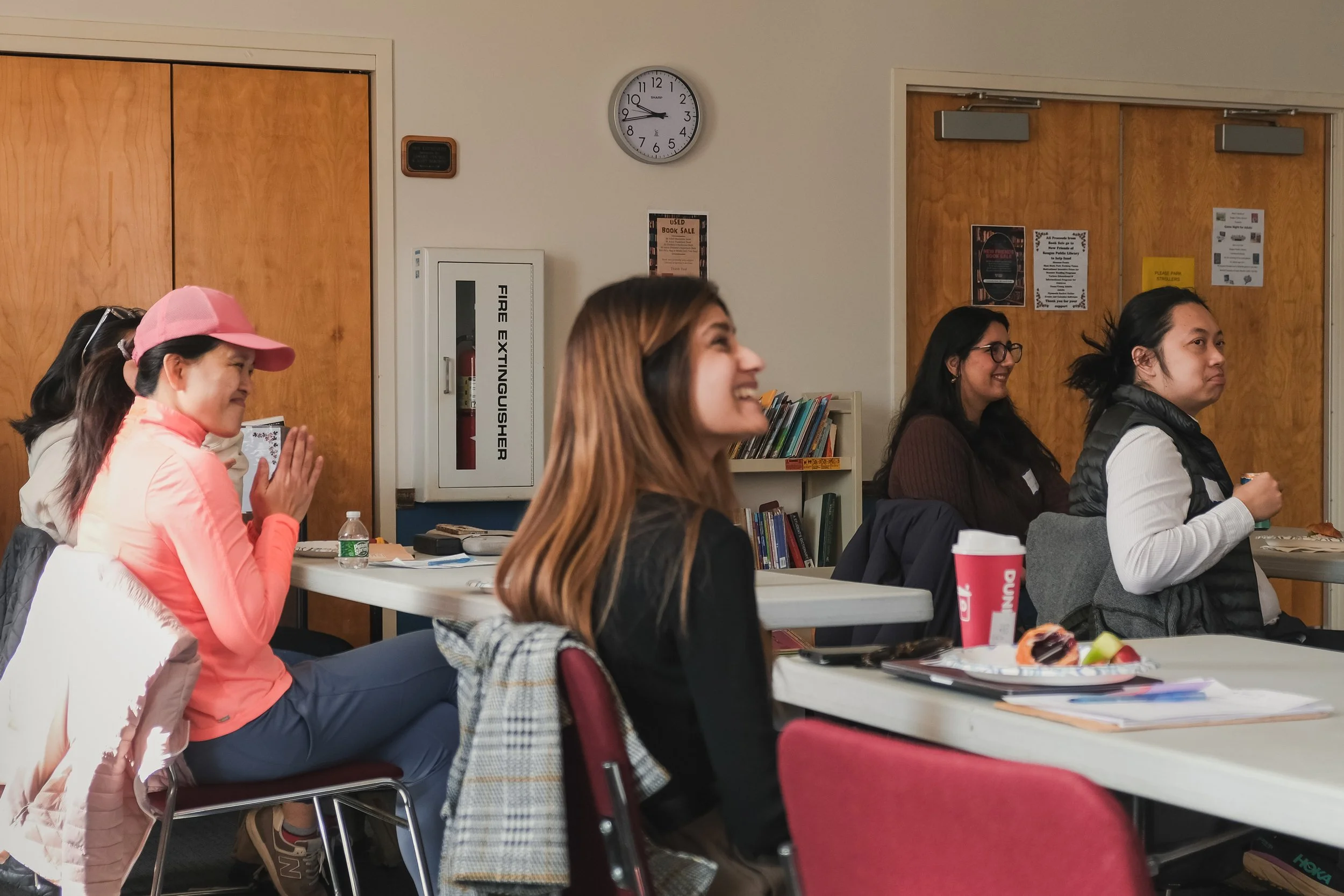
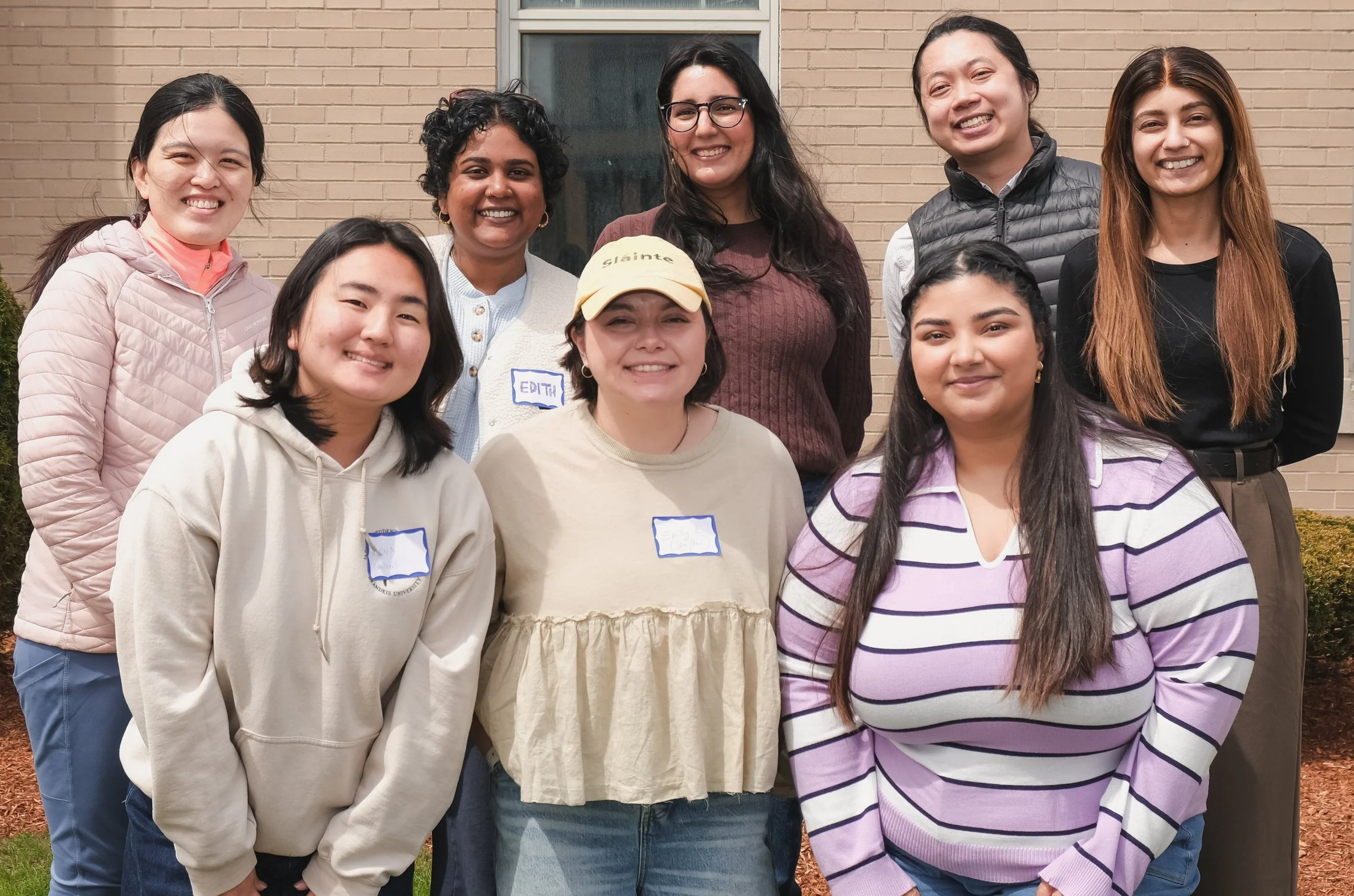
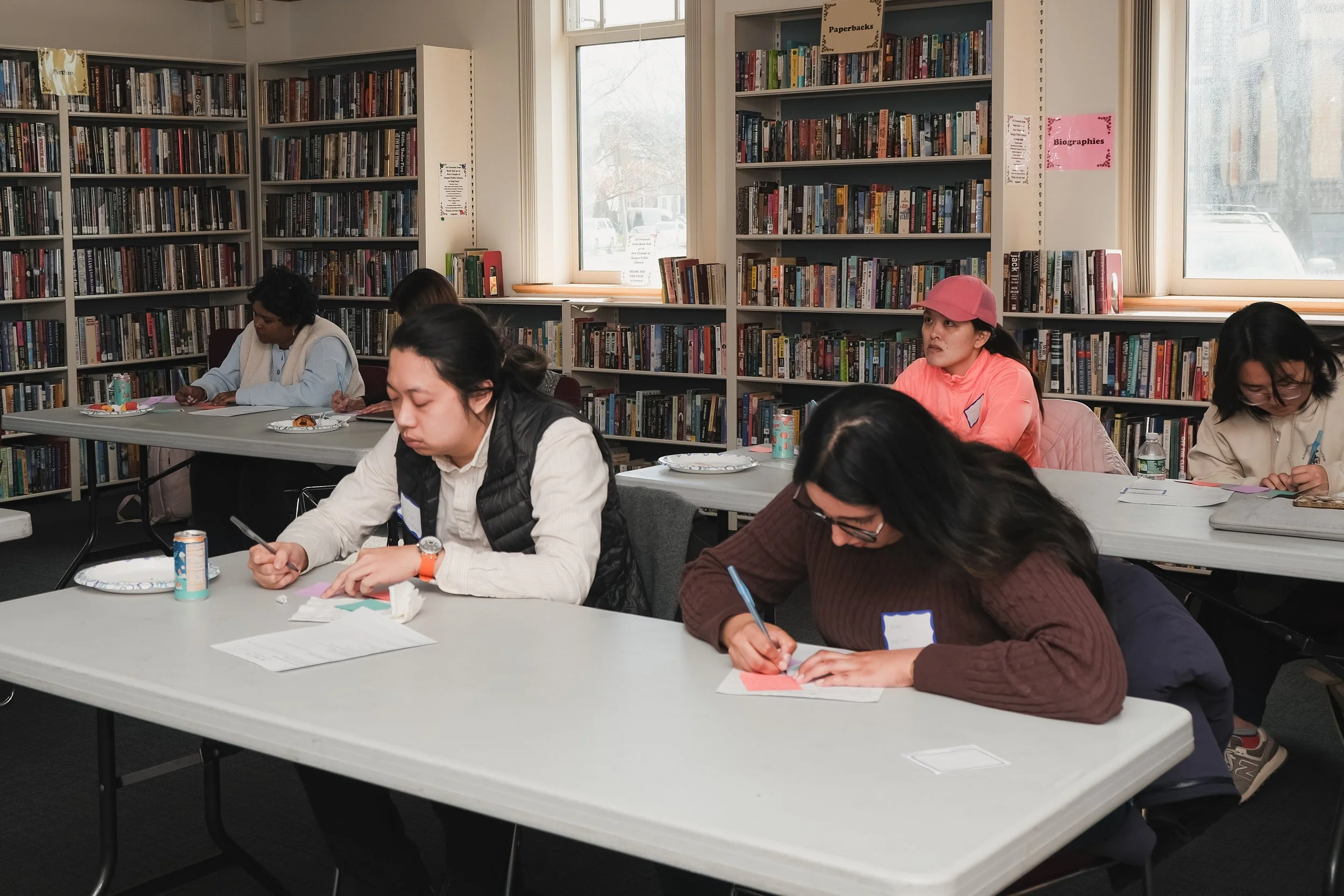
-
We at Research within REACH are creating a more accessible, approachable, and community-grounded way to gain research literacy skills.
We challenge the idea that research belongs only in academic or institutional spaces by equipping individuals, especially those from underrepresented communities, with the tools, professional development, and confidence to explore, document, and share knowledge rooted in their own lived realities.
Our program focuses on storytelling as a form of inquiry, emphasizing how community narratives and participatory methods can inform advocacy, learning, and social justice.
-
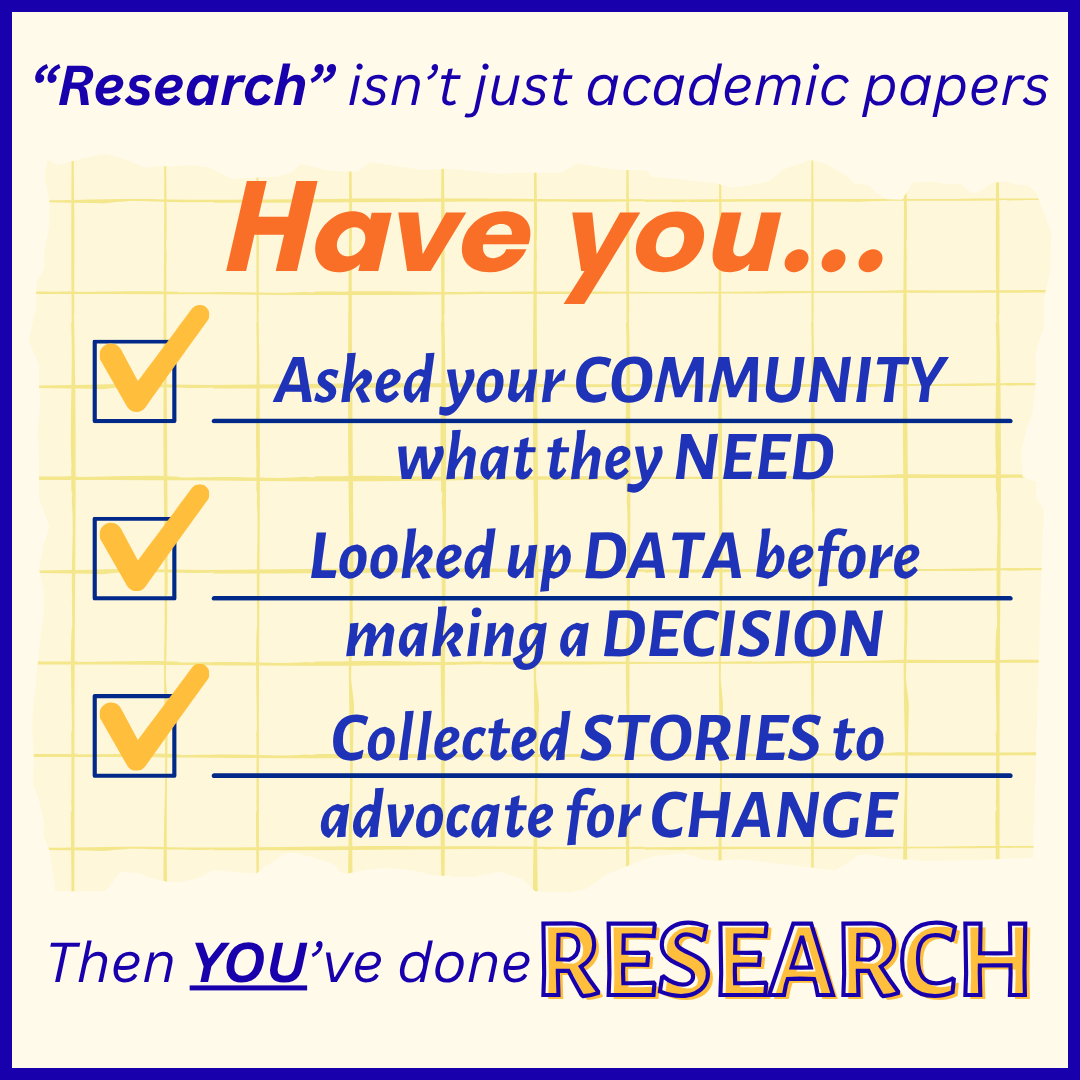
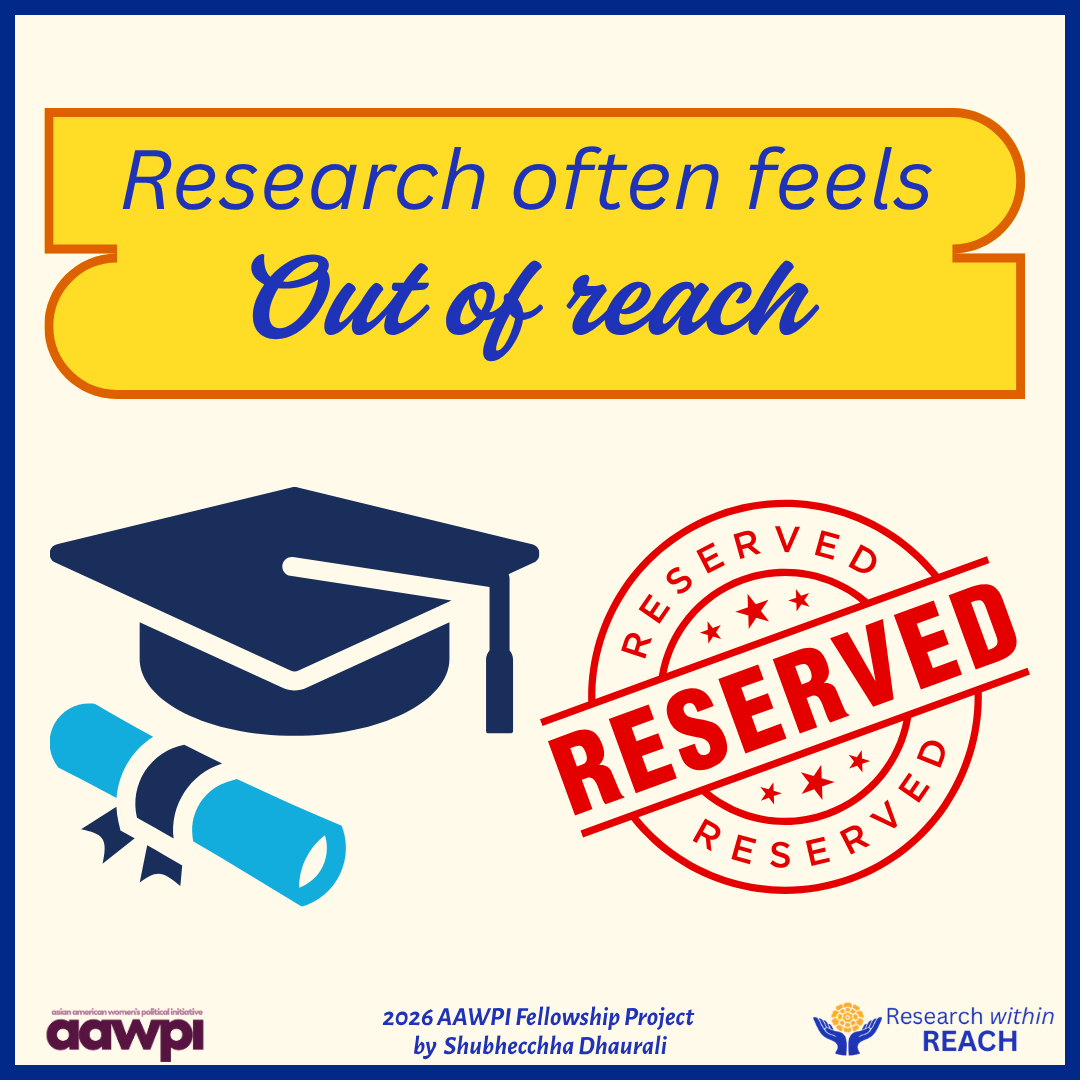
Research is often perceived as inaccessible, extractive, and disconnected from the communities it aims to represent.
This is especially true for many Asian American communities and other communities of color, who are frequently:
Treated as monolithic groups
Underrepresented or misrepresented in data
Excluded from shaping the knowledge and narratives that impact them
As a result, there is both a lack of trust in research systems and a lack of access to accessible, community-rooted research education.
-
Empower individuals and communities of color to learn and utilize research literacy and data as another tool/skills in community advocacy, civic engagement, and social justice
-
We build pathways for individuals to engage with research in ways that are participatory, accessible, and culturally grounded.
Our initiative operates through a multi-layered model:
Cohort-Based Learning
3-month cohorts with 8–10 participants
Guided learning in diverse research methods (e.g., oral histories, storytelling, surveys, participatory approaches)
Support for developing participant-led projects grounded in community questions and interests
Community Workshops
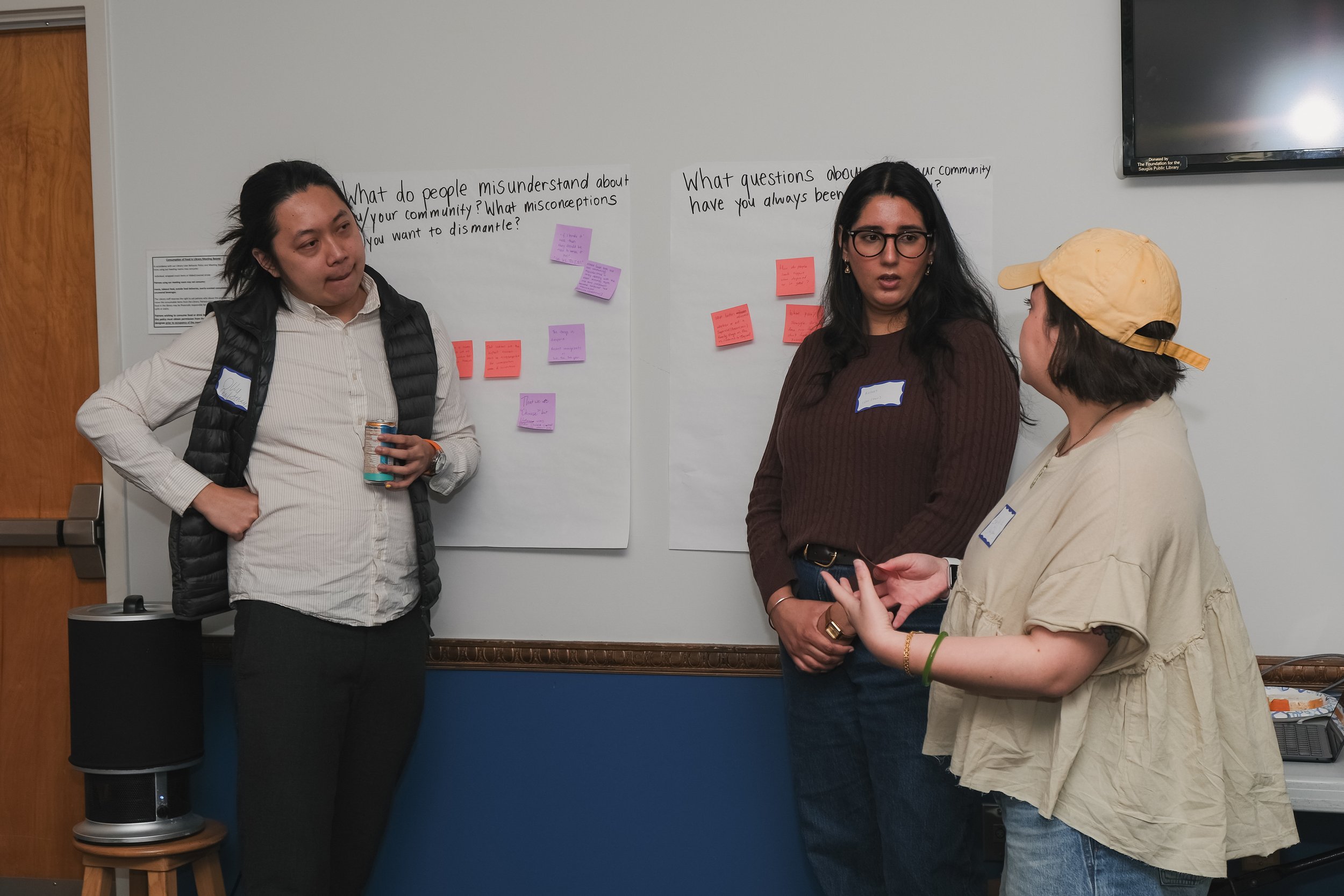
Open-access workshops in partnership with local organizations (e.g., libraries, community groups)
Designed as entry points for foundational research skills and critical thinking
Community Engagement & Partnerships
Participation in local events, gatherings, and community spaces
Collaboration with schools, nonprofits, and cultural organizations to expand access to learning
-
Theory of Change
If communities have the skills, guidance, and space to investigate their own questions, they will produce knowledge reflecting their true realities, amplify marginalized voices, and strengthen community-driven impact.
Beyond the Program
This program isn’t just about learning research, it’s about sharing it.
Our goal is that participants leave not only with new skills, but with the confidence to:
Apply these tools in their own work and communities
Support others in engaging with research and data
Help shift the narrative that research is inaccessible or exclusive
By building collective knowledge, we move toward a future where research belongs to all of us.
“Research is seeing what everybody else has seen and thinking what nobody else has thought”
— Albert Szent-Györgyi
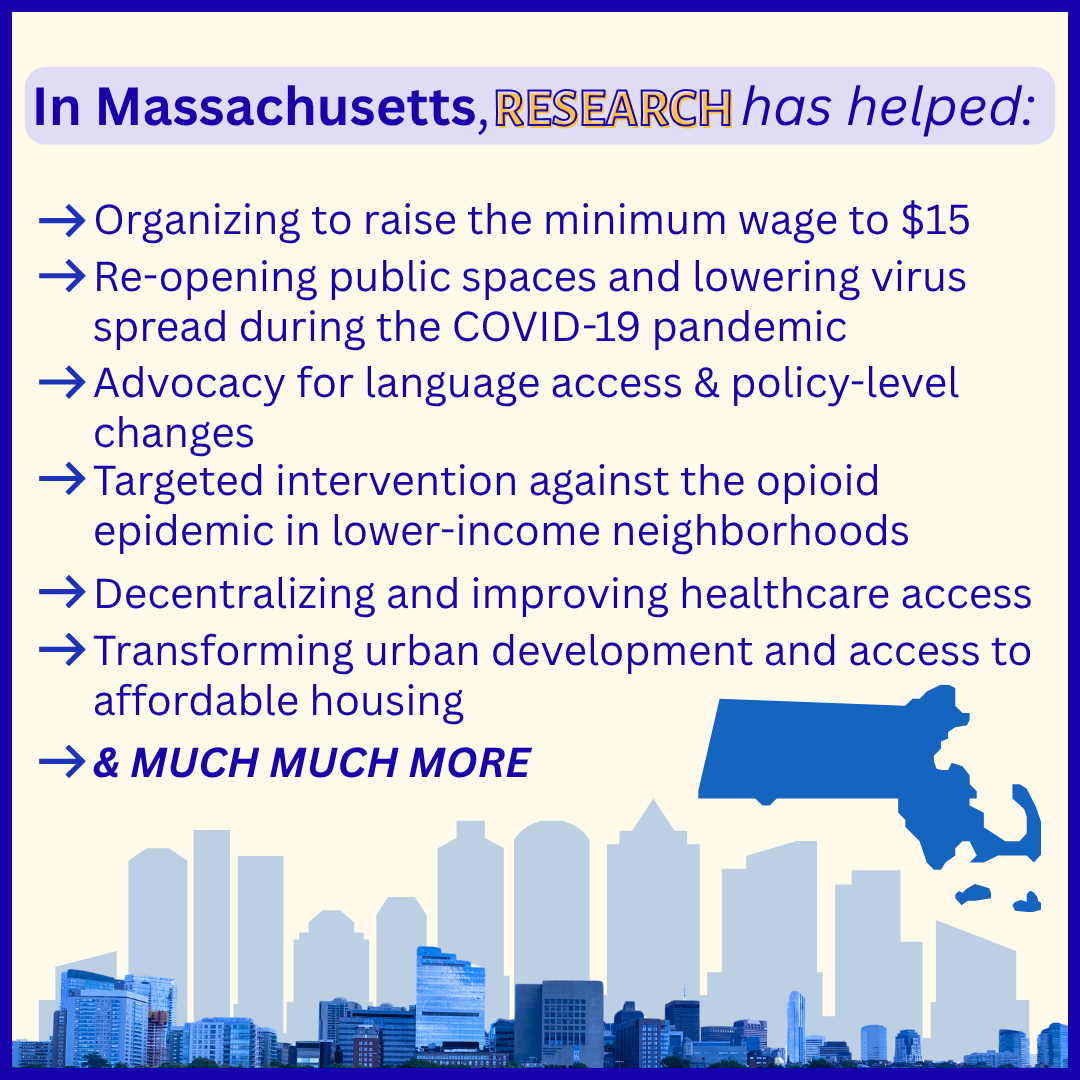
Research within REACH equips BIPOC/Asian Americans+ with the tools, confidence, and community to investigate their own questions, collect and interpret data, and transform insights into stories that shape policy, funding, and public narratives.

Mission
&
Vision
To empower BIPOC/Asian Americans+ to investigate questions that matter to them/their communities, transform their insights into stories and creative expression, and use this knowledge to amplify their voices, influence policy, and strengthen civic power.
A world where communities own, interpret, and lead their own research, ensuring that all voices, especially those historically invisible, are seen, heard, and valued in shaping public narratives, policies, and resources.

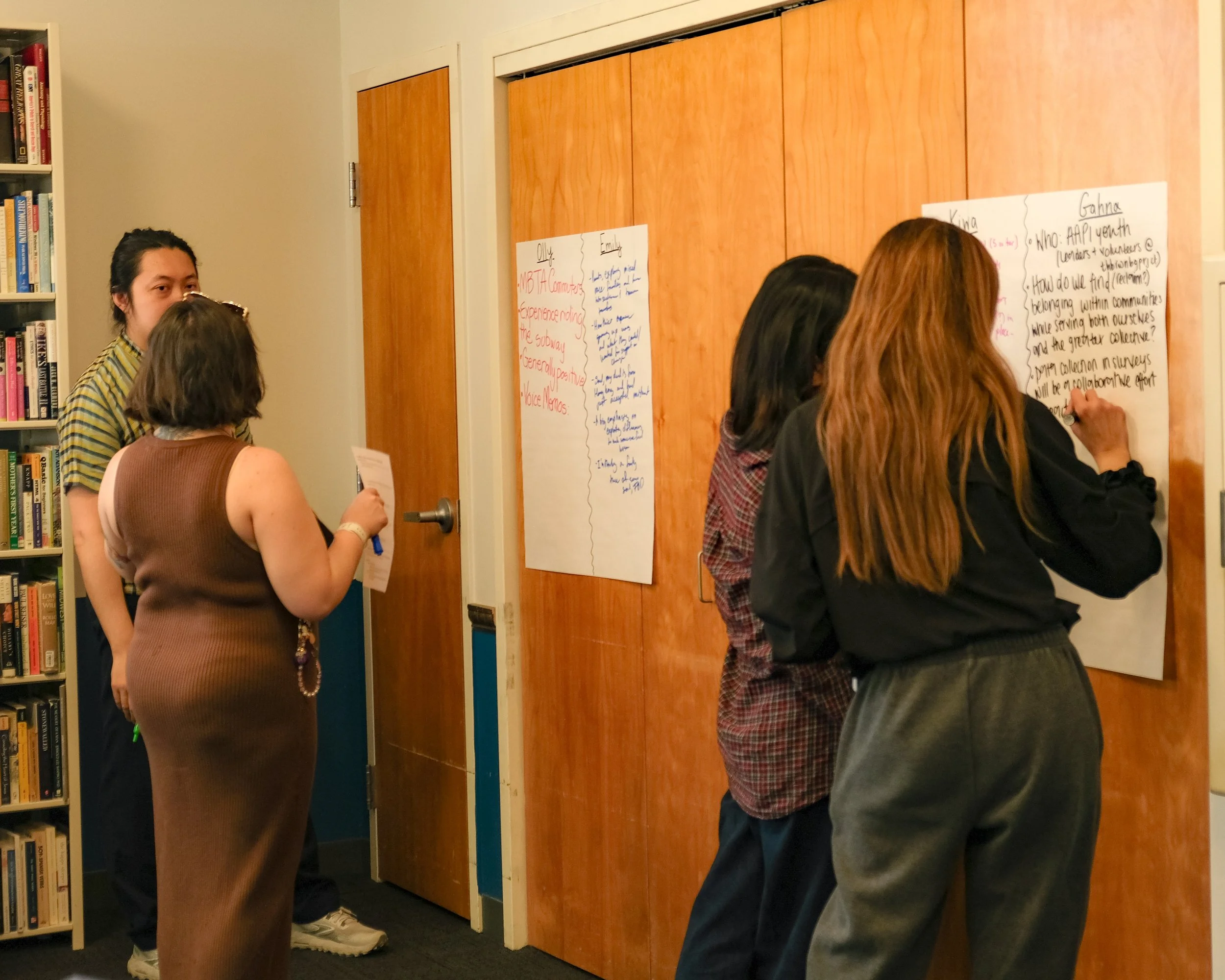
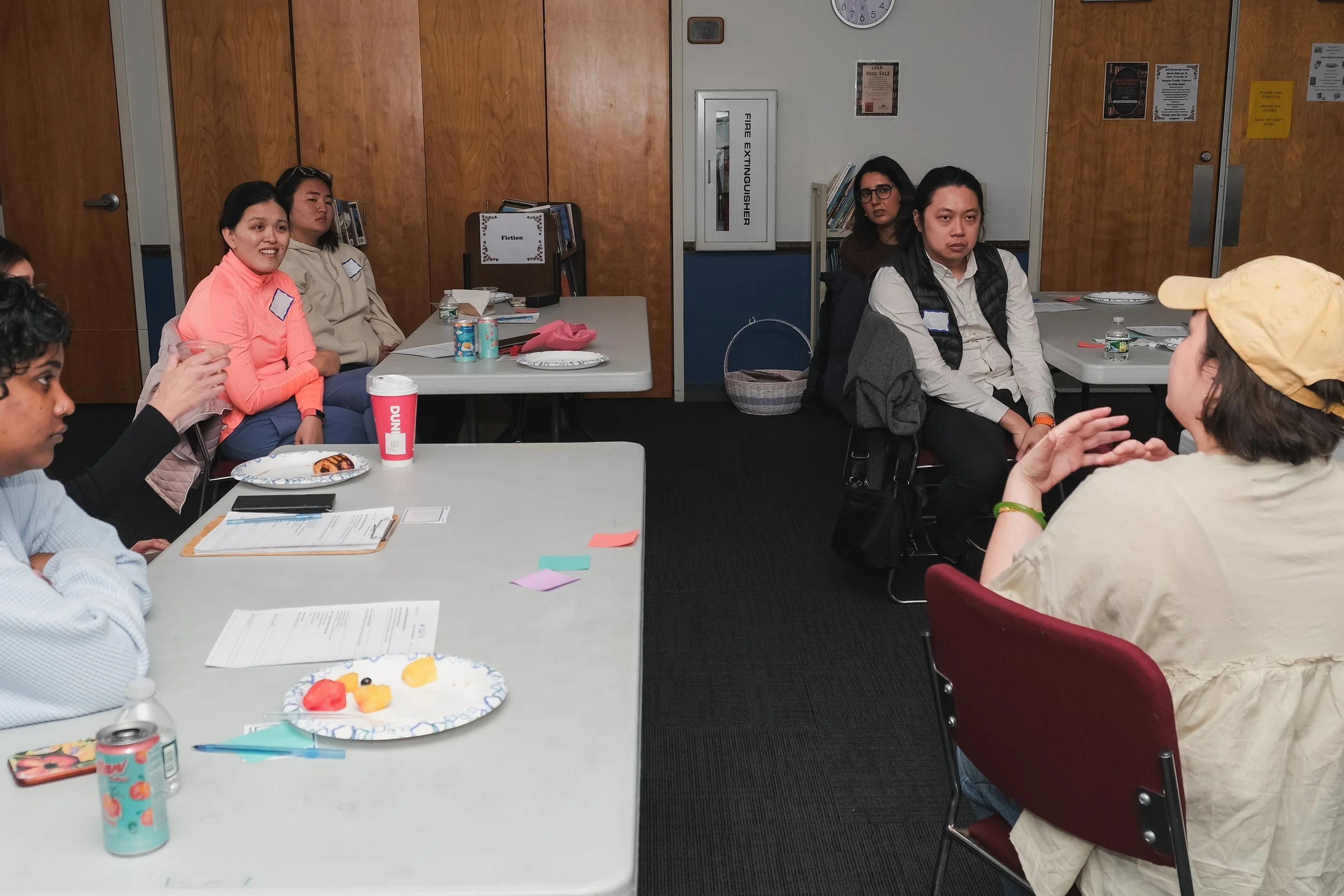
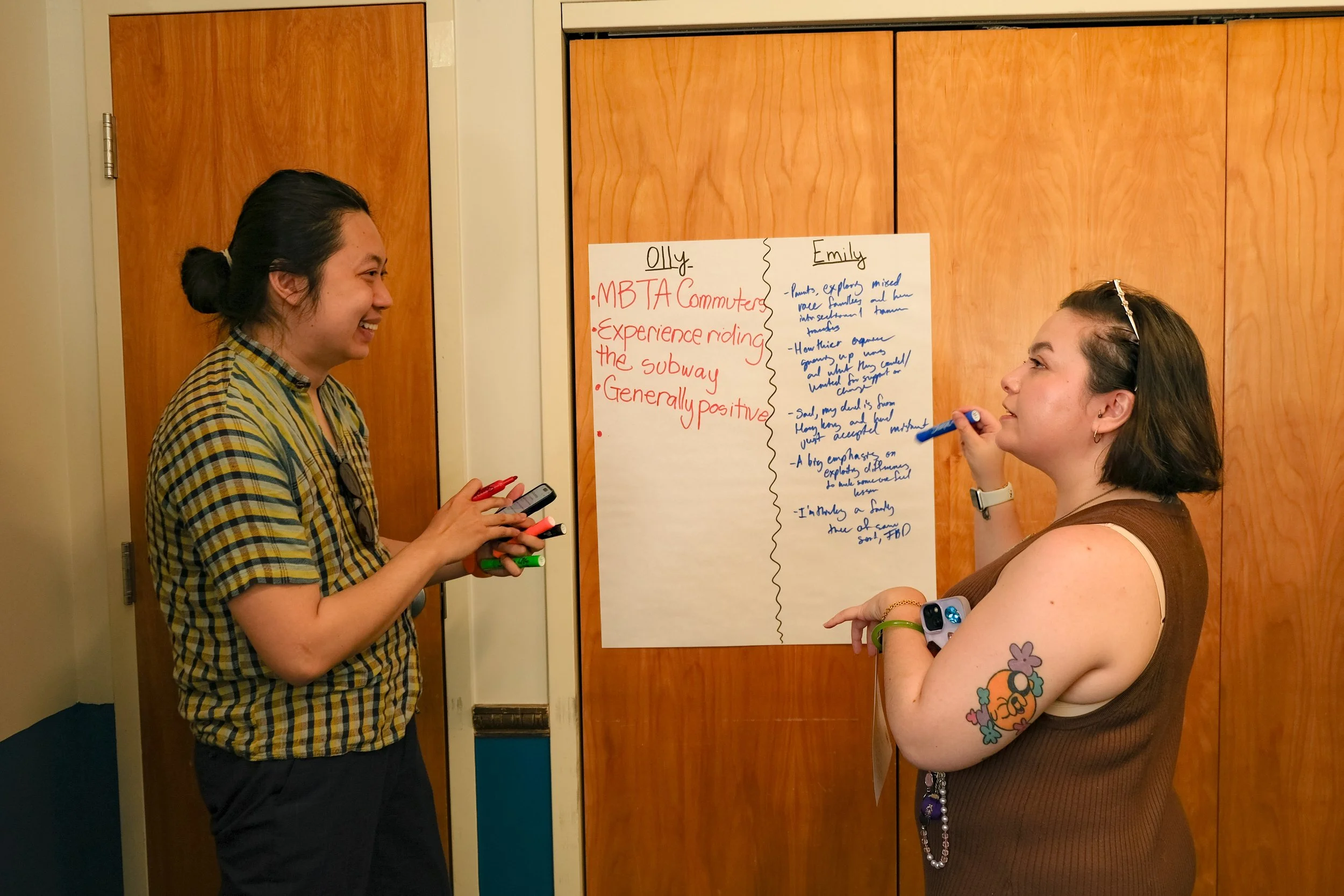
Cohort Learning Model
-
Our inaugural program invites Asian women+ to explore the stories that shape their communities. Through reflection, curiosity, and creativity, participants will investigate community narratives, listen to lived experiences, and transform what they learn into meaningful creative expression.
Across three sessions, participants will build trust with one another, engage their communities through curiosity-driven conversations, and create projects that amplify voices and stories that are often overlooked.
Through this program, participants will:
Build foundational research and storytelling skills
Learn how to turn questions and lived experiences into meaningful insights
Gain hands-on experience that can be translated into resume content, work samples, or interview talking points
Develop confidence in engaging with data and research processes
Eight participants will receive a $300 stipend for their time and participation across 3 sessions.
-
We begin by asking an important question: What stories are missing from the narratives about our communities?
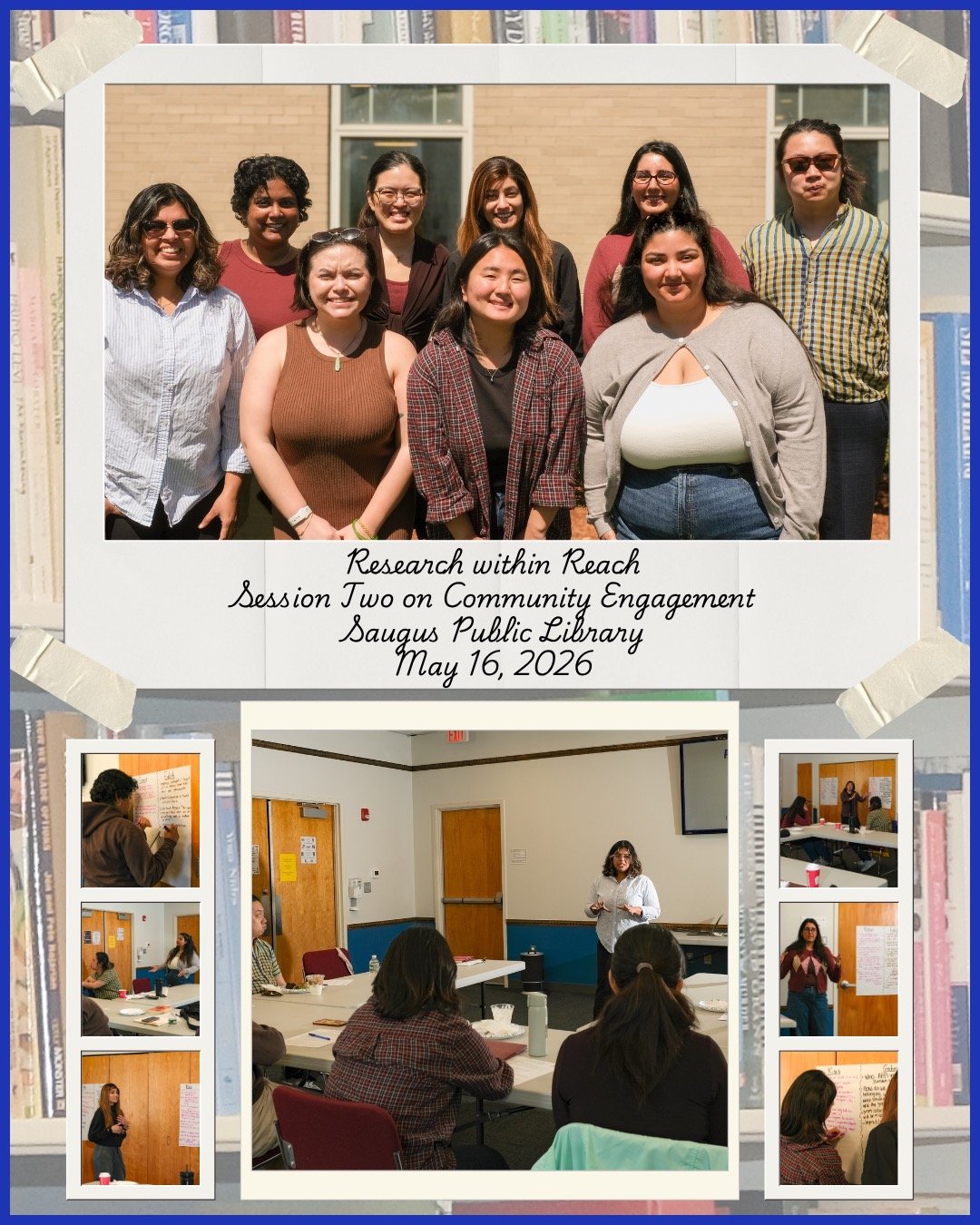
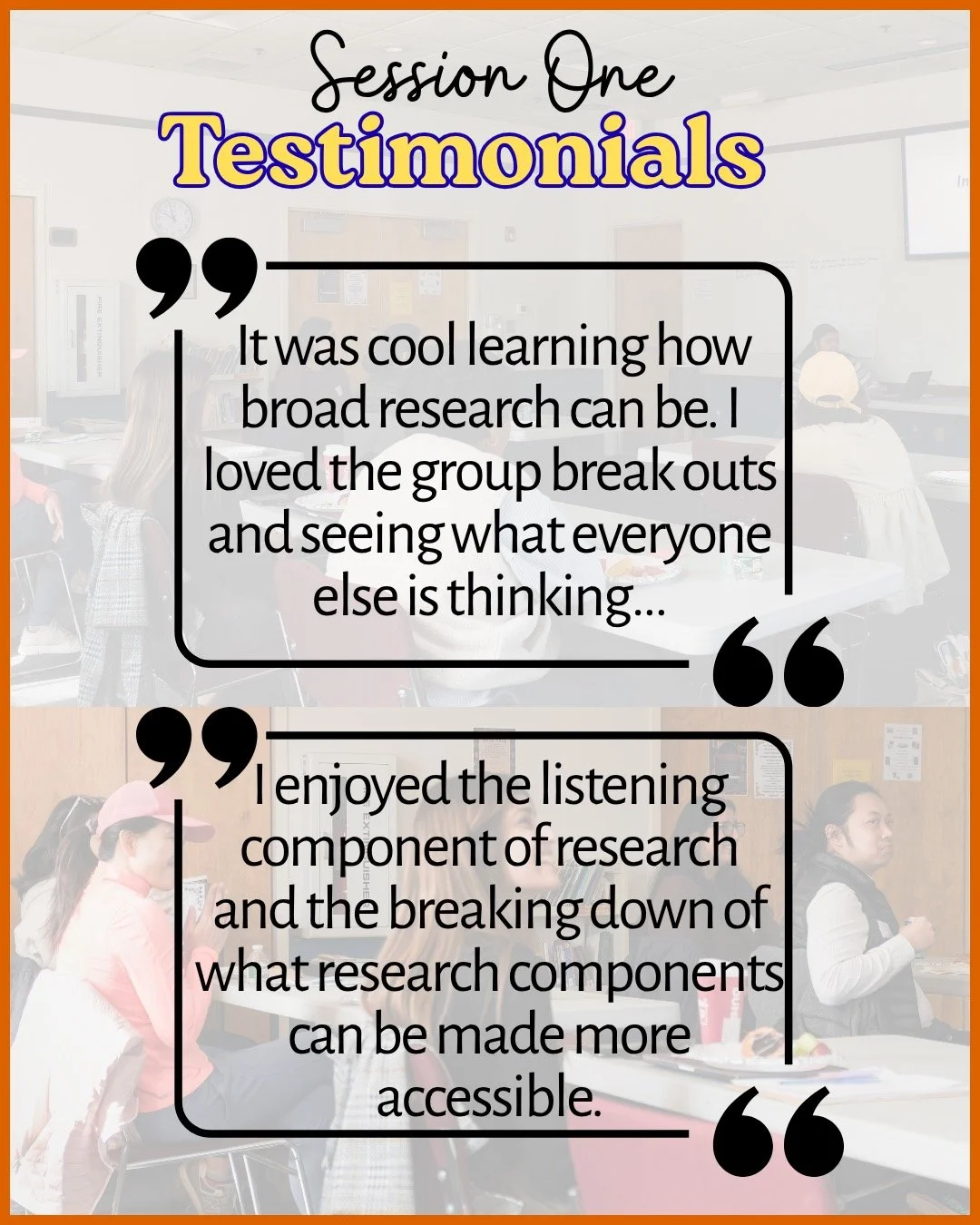
In this first session, participants build relationships and establish a space of trust and connection. Together, they explore the stories that are often overlooked or underrepresented in their communities.
Participants will:
Connect with one another and build a supportive learning community
Reflect on the narratives that shape their communities
Identify a question or story they are curious to explore
Design a small “curiosity mission” to learn from their community members
By the end of this session, each participant will have a question they want to explore and a plan for listening to their community.
-
After connecting with their communities, participants return to share what they discovered.
Together we ask: What did we learn from listening to our communities?
Participants reflect on their curiosity missions and begin identifying patterns, themes, and powerful stories from what they heard.
In this session participants will:
Share insights and experiences from their community conversations
Identify patterns and themes in what they discovered
Reflect on how these stories connect to larger community narratives
Begin transforming their discoveries into creative expression
Participants can explore many forms of storytelling such as:
Photography
Oral history interviews
Narrative storytelling
Cultural cooking or baking
Visual art or creative displays
-
In our final session we ask: How can we turn our insights into stories that inspire change in our communities?
Participants finalize their creative projects and share the stories they uncovered. This session is both a celebration and an opportunity to think about how storytelling can be a powerful tool for community advocacy.
Participants will:
Complete and present their creative projects
Share the stories and insights they discovered
Celebrate their collective work and learning
Reflect on how they can continue using storytelling and curiosity in their communities
By the end of the program, participants will leave with new skills, deeper community connections, and creative tools to continue uplifting stories from their communities.
“Fight for the things that you care about… do it in a way that will lead others to join you.”
–Ruth Bader Ginsburg
Our Values
Community Ownership
Collective Growth
Civic Engagement
Democratizing Knowledge
Reciprocity
Access
-
Participants retain ownership of their data and stories. Research is stewarded within community, not extracted for external benefit.
-
Research should not be gatekept by academic institutions. Knowledge production is a civic right.
-
We build peer networks that extend beyond the cohort and strengthen collective action.
-
Communities should benefit directly from the research conducted within them. Stories are not collected without return.
-
Research shapes policy. By equipping participants with tools to generate and interpret data, we strengthen their ability to influence public decisions.
We build civic civic engagement/impact and community power at three interconnected levels:
1. Individual Civic Agency
Participants gain the skills and confidence to analyze public data, design surveys, conduct interviews, and translate findings into testimony, grant proposals, or advocacy materials. This increases their ability to engage elected officials, contribute to public comment processes, support community-based campaigns, and influence local decision-making. Research becomes a tool for civic participation rather than an institutional barrier.2. Relational & Community Power
The cohort-based model builds social capital among AAPI women, femmes, and gender-expansive leaders who may otherwise navigate isolating civic spaces. Through collaborative mini-projects and peer learning, participants develop trust, shared language, and ongoing networks that extend beyond the program. These relationships strengthen collective action, resource-sharing, and coordinated advocacy efforts.3. Institutional & Narrative Influence
When participants generate their own community-rooted data, they shift whose knowledge is considered credible in civic spaces. Rather than relying solely on aggregated statistics or external reports, participants can present disaggregated findings, lived experiences, and community-led analysis to policymakers, funders, and institutions. This challenges harmful narratives such as the “model minority” myth and increases visibility for underrepresented AAPI subgroups. -
No prior research experience required. We use plain language, interactive learning, and practical tools.
“We realize the importance of our voices only when they are silenced.”
–Malala
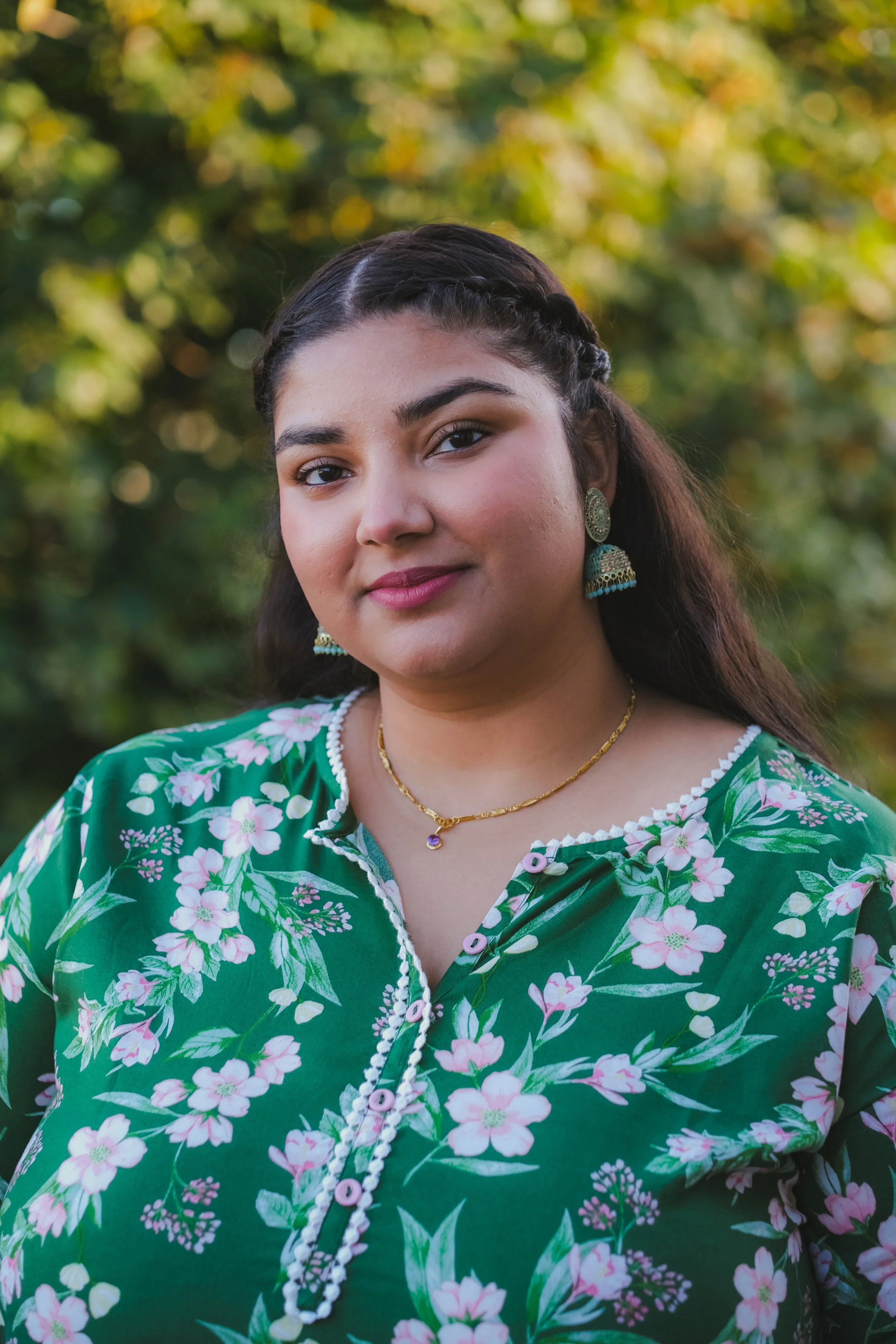
Shubhecchha Dhaurali
FOUNDER, DIRECTOR
Shubhecchha Dhaurali (pronounced sue-betcha dur-all-e) is a 1.5-generation Nepalese-American immigrant and the first woman in her family to complete higher education.
Shubhecchha is passionate about challenging whose knowledge is valued and equipping community members with tools to tell their own stories through data and research. She has led initiatives bridging academic research and grassroots advocacy, with a focus on health equity, youth empowerment, and narrative change in her current and past roles.
Research within REACH was borne from her Civic Incubator Fellowship with the National Asian American Women’s Political Initiative (AAWPI), and reflects her commitment to building community-led research infrastructure and transforming how knowledge is produced and used.
Follow us on Instagram @researchwithinreach_